Cringy vs. Cringey: Which Spelling Is Correct? 

Cringy vs. Cringey

Have you ever wondered whether to write cringy or cringey when describing something embarrassing or awkward? You’re not alone. Both spellings appear in everyday conversations, social media posts, online reviews, and informal writing. However, their similar appearance often leaves people questioning which version they should choose. The good news is that both cringy and cringey … Read more

15 Other Ways to Say “That Sucks” (With Examples)

Other Ways to Say “That Sucks

Sometimes, “That sucks” is the first thing that comes to mind when something disappointing, frustrating, or unpleasant happens. It works well with friends, but it isn’t always the best choice for every conversation. You might want something more thoughtful when comforting someone, more professional when discussing a workplace problem, or more expressive when reacting to … Read more

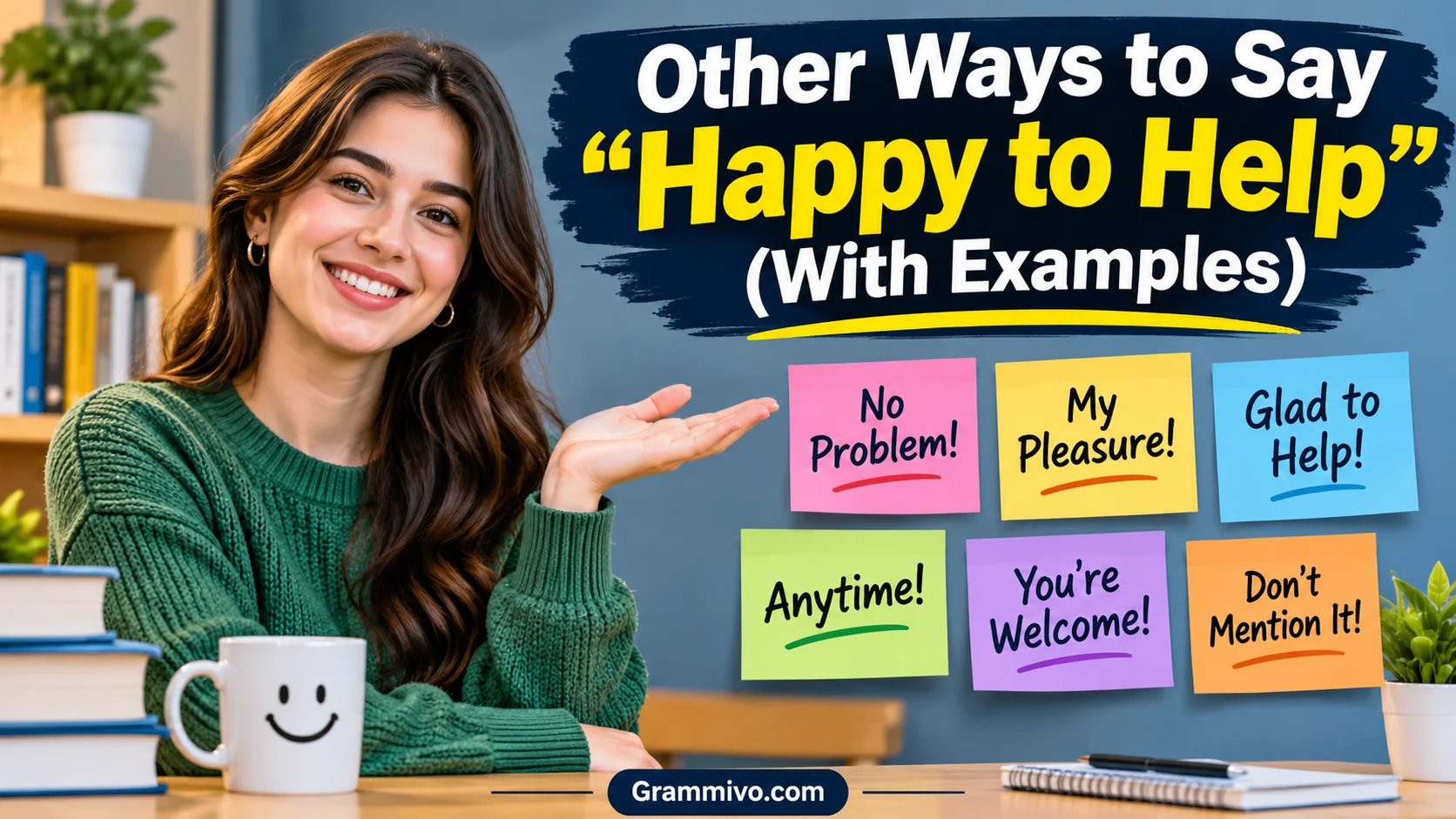
15 Other Ways to Say “Happy to Help” (With Examples)

Other Ways to Say “Happy to Help”

Whether you’re responding to a coworker’s question, helping a friend, or assisting a customer, “Happy to help” is a friendly way to show you’re willing to offer support. However, using the same expression repeatedly can make your conversations and emails sound predictable. Sometimes, you might want something more professional, while other situations call for a … Read more

Cozy vs. Cosy: Meaning, Difference, and Correct Usage

Cozy vs. Cosy

Have you ever wondered whether to write cozy or cosy? Both spellings appear in English books, websites, magazines, and everyday conversations. Although they look slightly different, they describe the same feeling of warmth, comfort, and relaxation. The difference between these two words comes down to regional spelling preferences. American English uses cozy, while British English … Read more

20 Other Ways to Say “Please Correct Me If I’m Wrong” (With Examples)

Other Ways to Say Please Correct Me If I’m Wrong

Have you ever wanted to share an opinion, explain something, or clarify a detail without sounding overly confident? The phrase “Please correct me if I’m wrong” is a useful way to invite feedback while acknowledging that your information might not be completely accurate. However, using the same expression repeatedly can make your conversations and professional … Read more

Annually vs. Annualy: Which Spelling Is Correct?

Annually vs. Annualy

Have you ever wondered whether to write annually or annualy? These two spellings look almost identical, making it easy to overlook the difference. However, only one is correct in standard English. The confusion usually comes from how people form adverbs by adding -ly to adjectives. Whether you’re writing a business report, preparing an email, discussing … Read more

Molding vs. Moulding: Meaning, Difference, and Correct Usage

Molding vs. Moulding

The words molding and moulding often cause confusion because they look slightly different but share almost the same meaning. You might see molding in an American home improvement guide and moulding in a British construction article. Both spellings are correct, but their usage depends largely on regional English conventions. The difference comes down to one … Read more

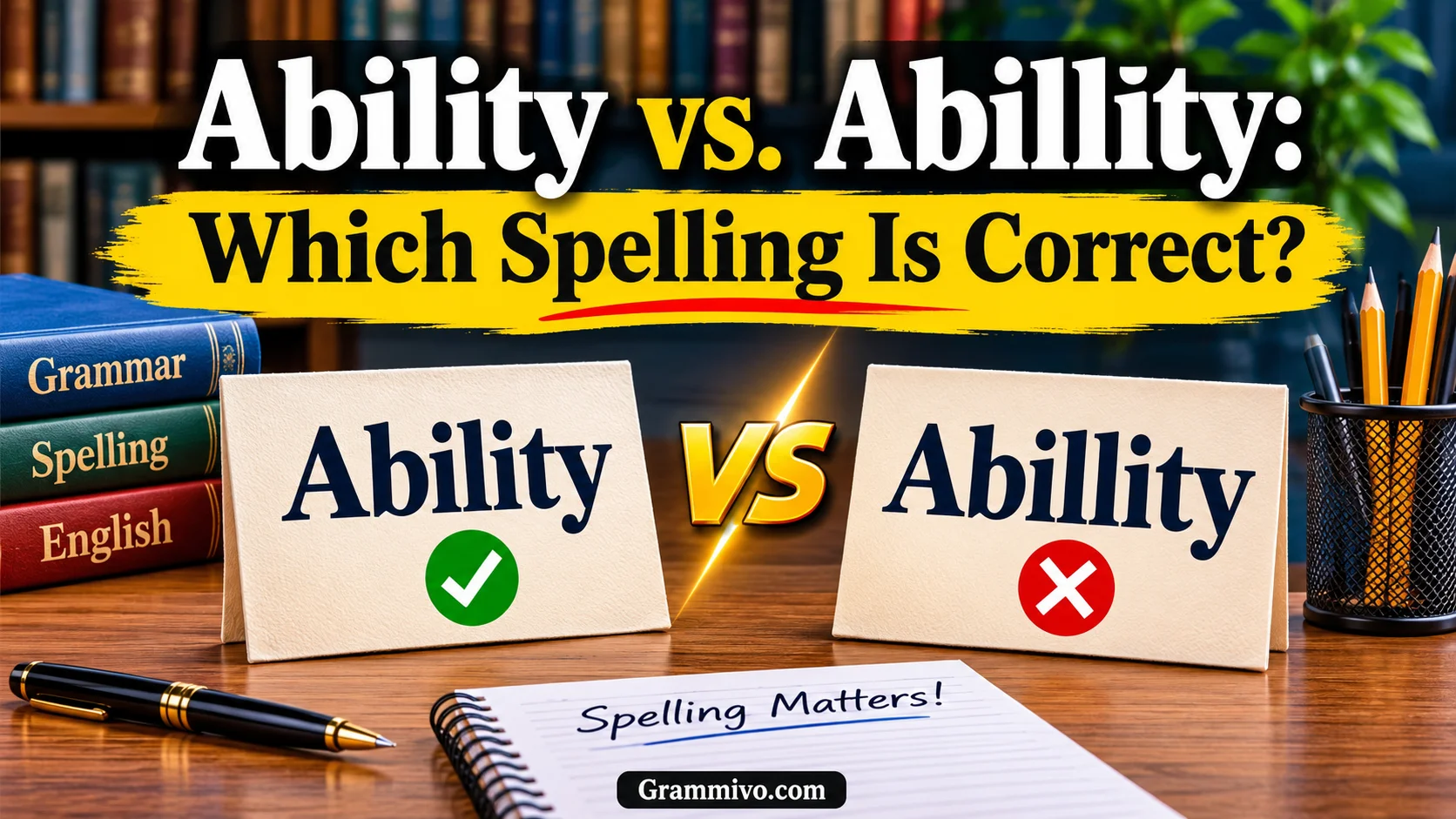
Ability vs. Abillity: Which Spelling Is Correct?

Ability vs. Abillity

Have you ever wondered whether the correct spelling is ability or abillity? You’re not alone. Many English writers accidentally add an extra L when typing this common word. Although both versions look similar, only one follows standard English spelling rules. The confusion often happens because English contains many words with double consonants, such as skill, … Read more

Other Ways to Say “Have a Great Day” (With Examples)

Have a Great Day

Whether you’re ending a conversation, writing an email, or sending someone a friendly message, “Have a great day” is a popular way to express good wishes. However, using the same phrase repeatedly can make your communication feel predictable. Sometimes, a warmer, more professional, or more personal expression can leave a better impression. There are plenty … Read more

20 Other Ways to Say “Attention to Detail” (With Examples)

Attention to Detail

Attention to detail is a valuable quality in almost every professional and personal setting. It describes someone who notices small things, works carefully, and takes steps to avoid mistakes. However, repeating the same expression in resumes, cover letters, performance reviews, and everyday conversations can make your writing sound predictable. Fortunately, there are several other ways … Read more