Reinforce or Reenforce: Which Spelling Is Correct?

Reinforce or Reenforce

Reinforce or Reenforce can confuse writers, but knowing the correct spelling helps you write clearly, accurately, and confidently in modern English. These two words look confusingly similar, which explains why writers, students, and language learners can become confused when they write them.  The truth is simpler: reinforce is the correct spelling and the widely accepted … Read more

Fairing or Faring: Which Word Is Correct?

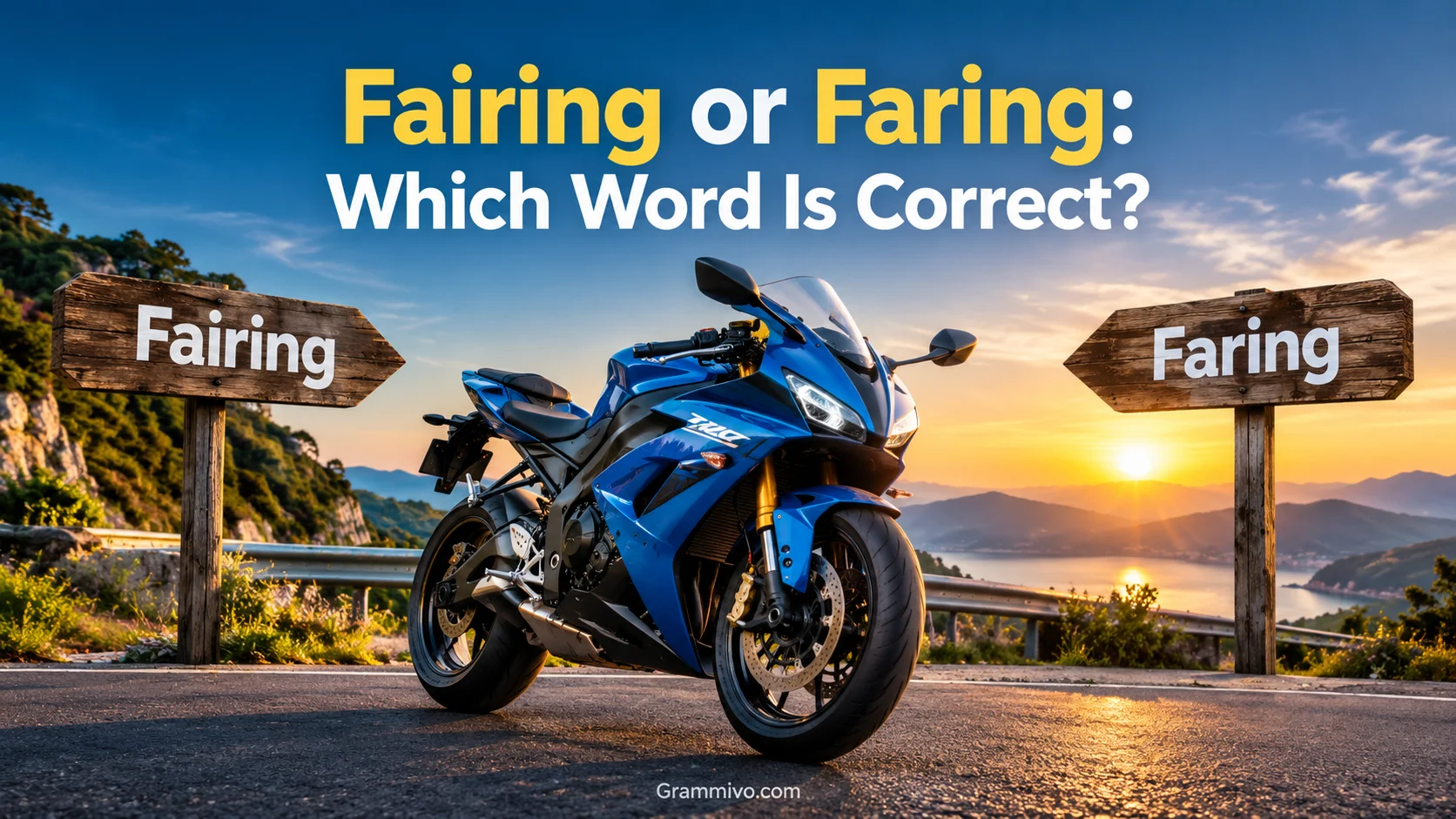
Fairing or Faring

Fairing or Faring can confuse confident writers because both words sound identical and look similar, but their meanings, contexts, and uses are completely different. In fairing vs faring, fairing refers to a covering or structure that improves the shape and aerodynamics of something, while faring describes how someone or something is doing or progressing.  Once … Read more

Recurring vs. Reoccurring: Meaning, Difference, and Correct Usage

Recurring vs. Reoccurring

If something happens again, should you call it recurring or reoccurring? The two words look almost interchangeable, and in many sentences, they can seem to mean the same thing. That overlap is exactly what causes the confusion. However, there is a useful distinction. Recurring generally describes something that happens repeatedly, often as part of a … Read more

Objective or Subjective: Meaning, Differences, and Examples

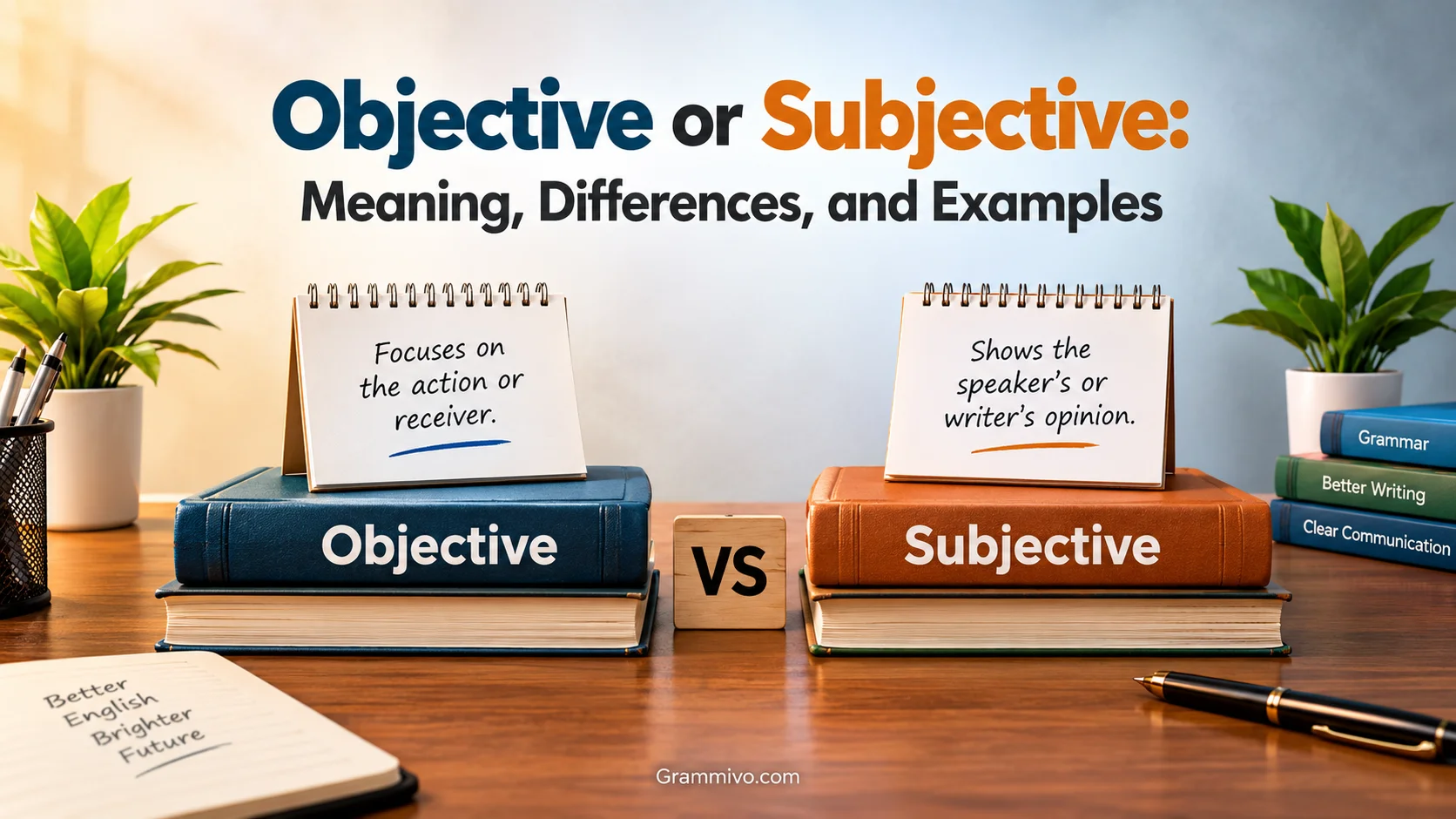
Objective or Subjective

When you describe something, how do you know whether you’re stating a fact or sharing an opinion? That question sits at the heart of the difference between objective and subjective. You encounter these two ideas almost everywhere. News reports use objective information. Movie reviews often include subjective opinions. Scientific studies rely heavily on observable evidence, … Read more

Feen or Fein: Which Spelling Is Correct?

Feen or Fein

If you’ve come across Feen and Fein, you might wonder whether one is simply a misspelling of the other. The confusion makes sense because both forms appear in online writing, names, slang, and multilingual contexts. However, they don’t function the same way in standard English. The important point is that Feen and Fein don’t form … Read more

Studder or Stutter: Which Spelling Is Correct?

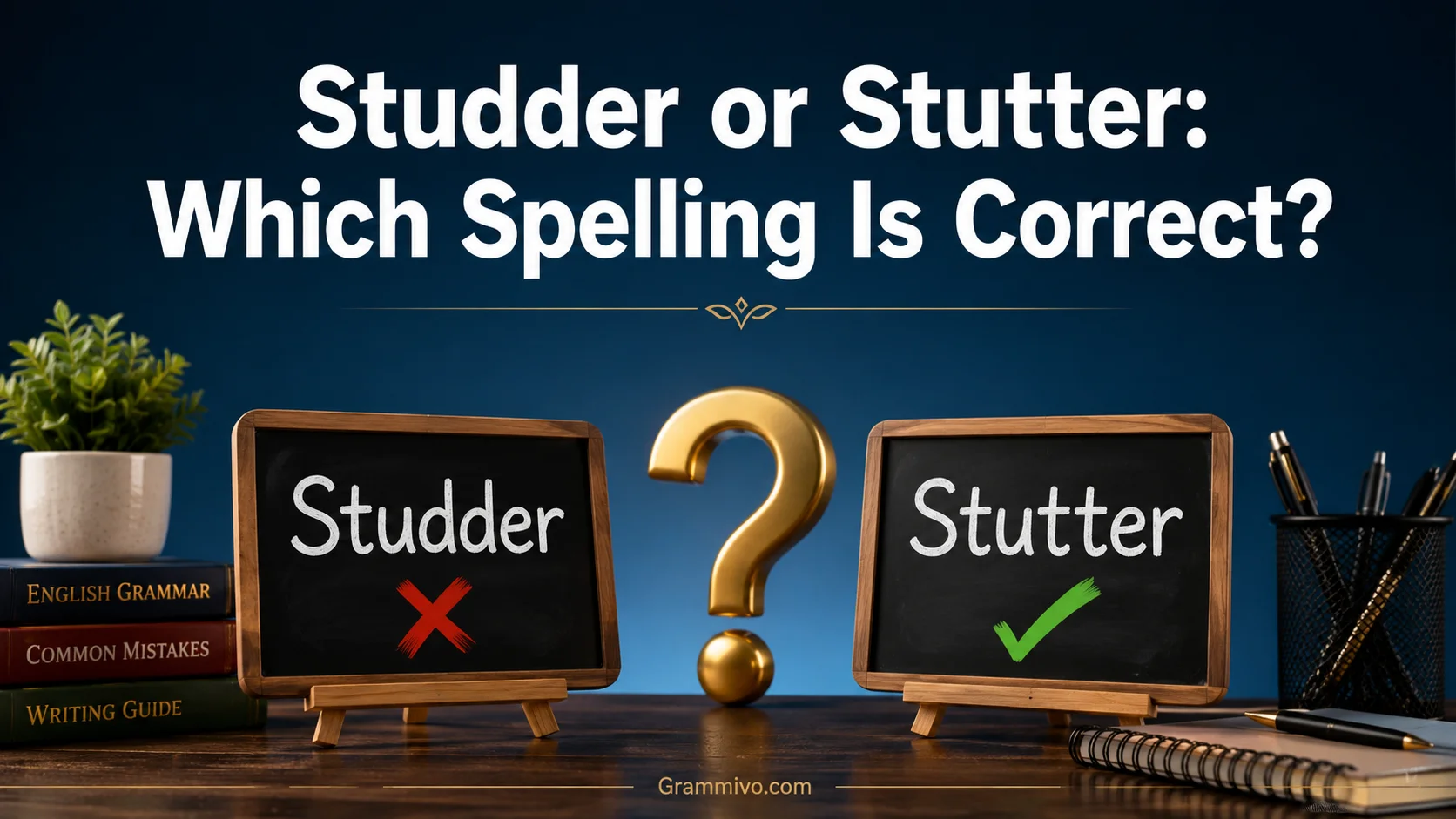
Studder or Stutter

When you’re trying to describe someone who repeats sounds, syllables, or words while speaking, one spelling often causes trouble: studder or stutter. The two forms look remarkably similar, which makes the extra d easy to slip into your writing. However, standard American English recognizes only one spelling for this meaning. The correct word is stutter. … Read more

Extended Family vs. Immediate Family: Meaning, and Examples

Extended Family vs. Immediate Family

Family terms can sound straightforward until you need to define exactly who belongs in each group. Extended family vs. immediate family is a common source of confusion because people use these terms differently in everyday conversations, workplaces, legal documents, and different cultures. Your parents, children, siblings, and spouse are generally associated with your immediate family. … Read more

First Cousin Once Removed vs. Second Cousin: Meaning, and Family Relationships

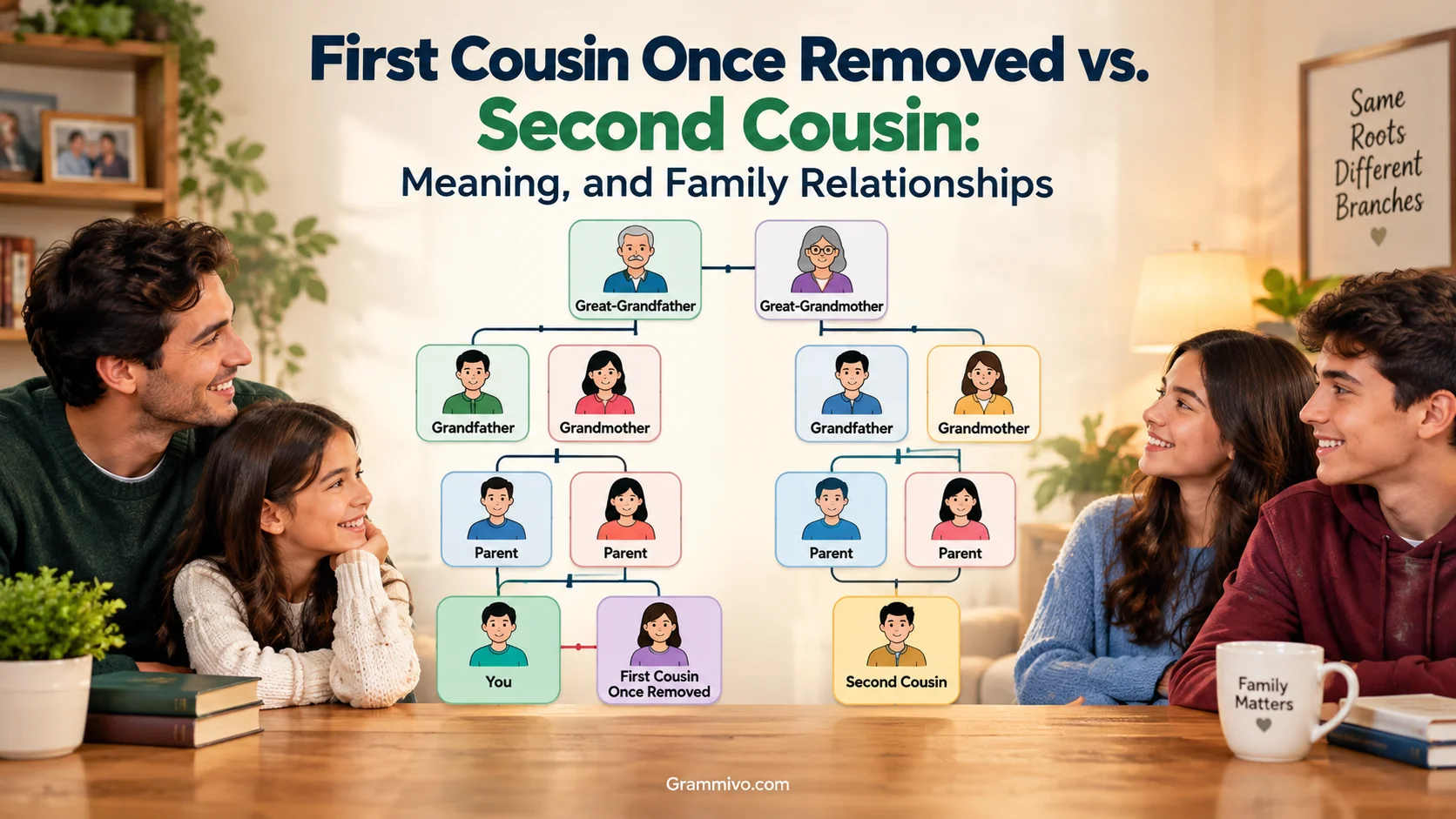
First Cousin Once Removed vs. Second Cousin

If you’ve ever tried to map a complicated family tree, terms like first cousin once removed and second cousin can make things surprisingly confusing. Both describe real family relationships, but they don’t mean the same thing. The tricky part is that the word “cousin” tells you something about a shared ancestor, while “removed” tells you … Read more