Payed vs. Paid: Meaning, Difference, and Correct Usage
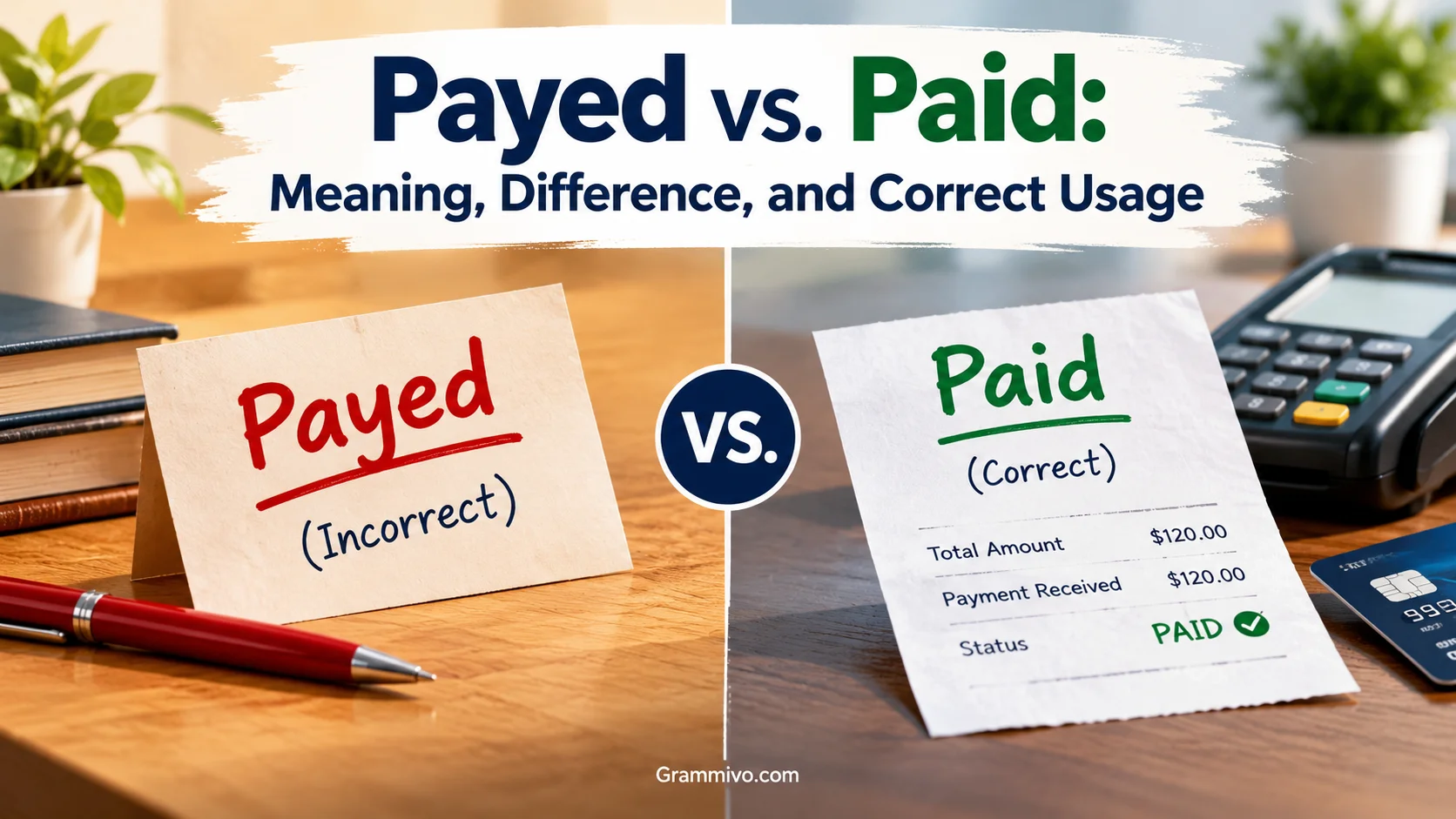
Payed vs. Paid

With Payed vs. Paid, English learners can avoid spelling confusion by using paid for ordinary money and transactions every day. Students, writers, and professionals may find these words similar, especially because many English verbs are regular verbs that follow the -ed pattern.  For example, play becomes played, while stay becomes stayed, so people may assume … Read more
Verbage or Verbiage: Which Spelling Is Correct?

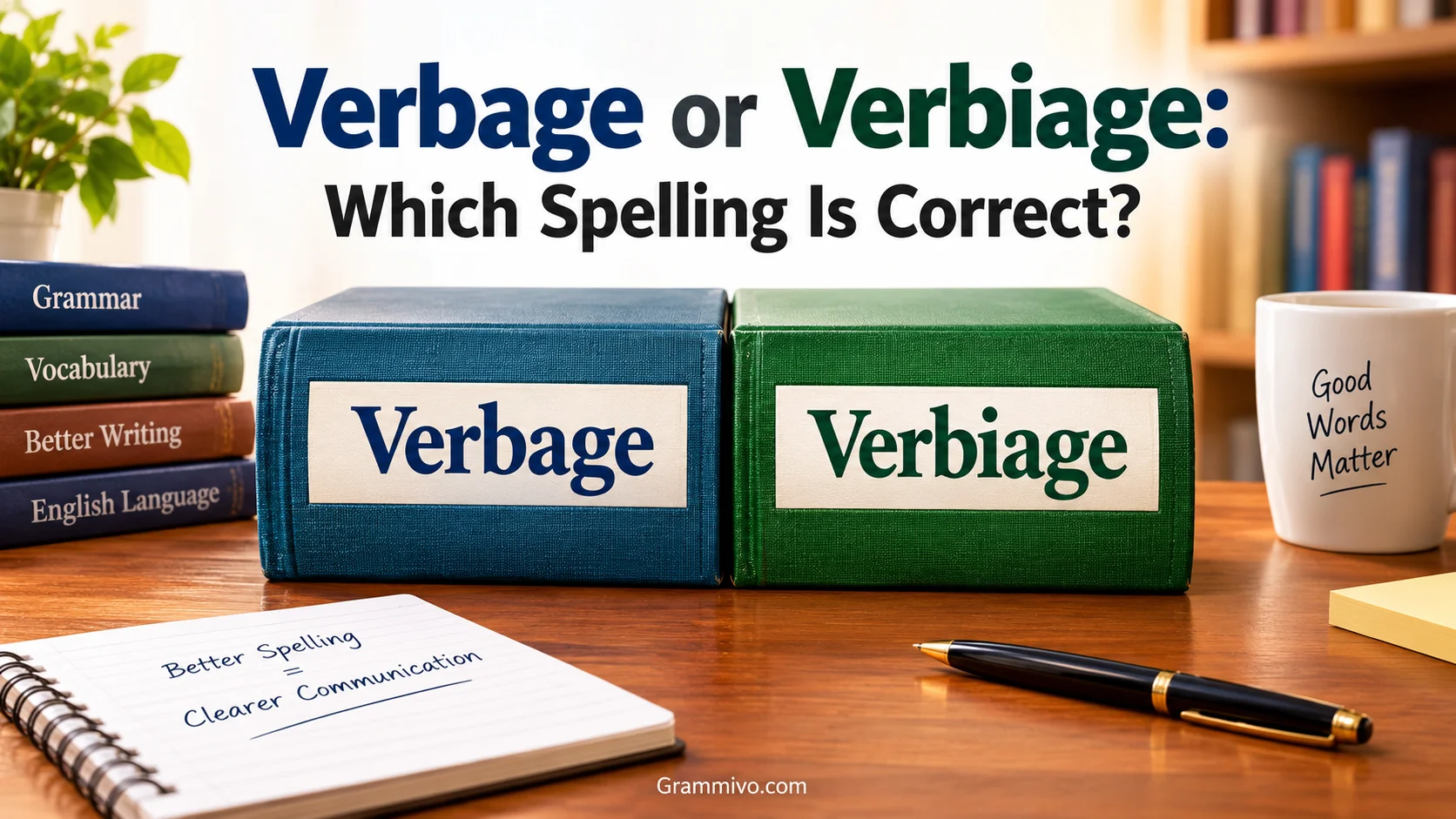
Verbage or Verbiage

If you’ve ever written “verbage” and wondered whether it looks right, you’re not alone. The word verbiage is the correct spelling in standard English, while verbage is a commonly encountered nonstandard form.  This confusion is understandable because “verbage” appears frequently in online discussions, emails, business documents, and professional communication. When the word is spoken aloud, … Read more

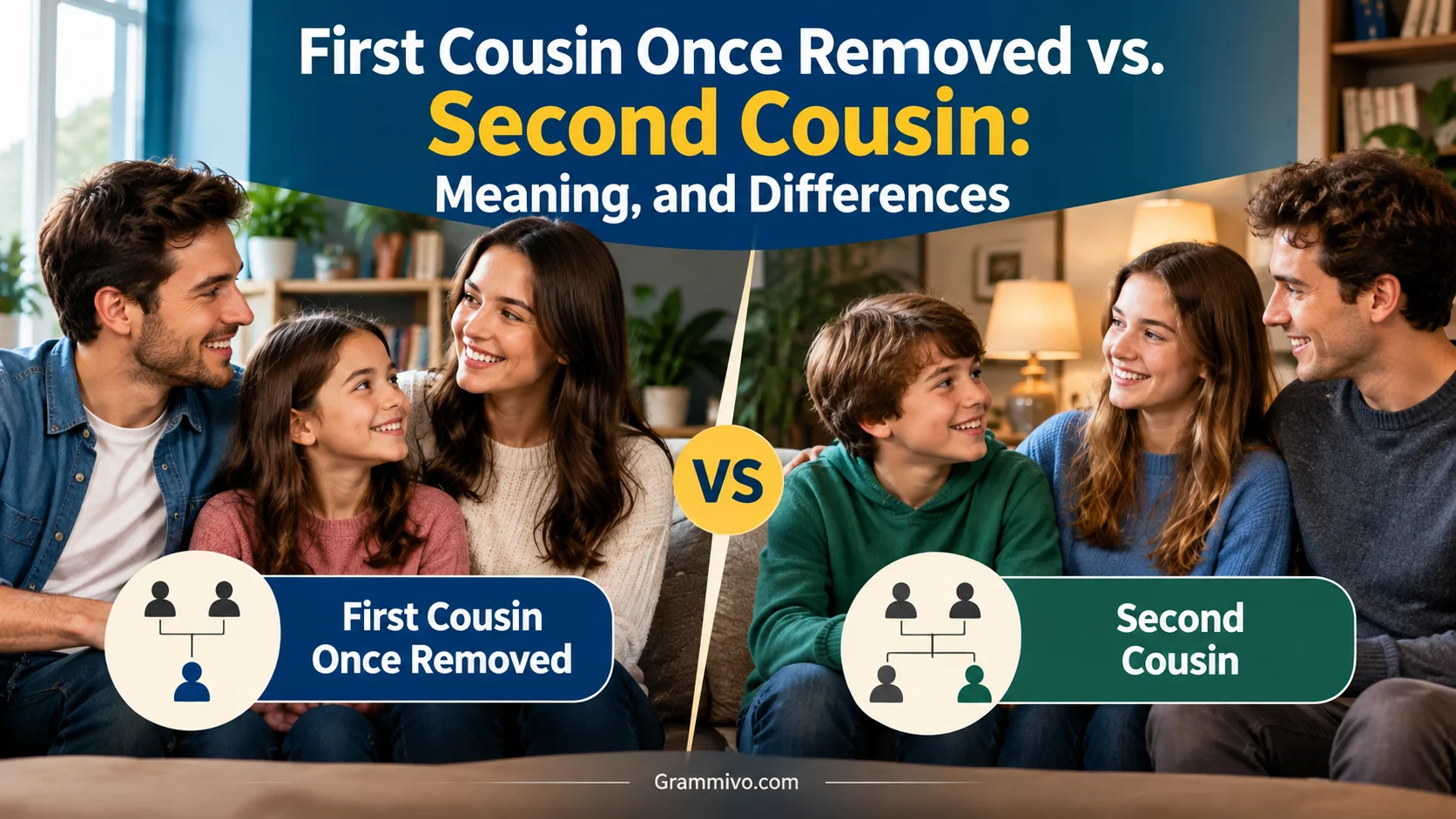
First Cousin Once Removed vs. Second Cousin: Meaning, and Differences

First Cousin Once Removed vs. Second Cousin

First Cousin Once Removed vs. Second Cousin explains how generations, family relationships, and shared ancestors shape each cousin relationship. When you look beyond parents, siblings, and first cousins, family relationships can become complicated because family terminology gives specific names to different relationships and different positions.  In genealogy, a family tree reveals the family structure, ancestry, … Read more

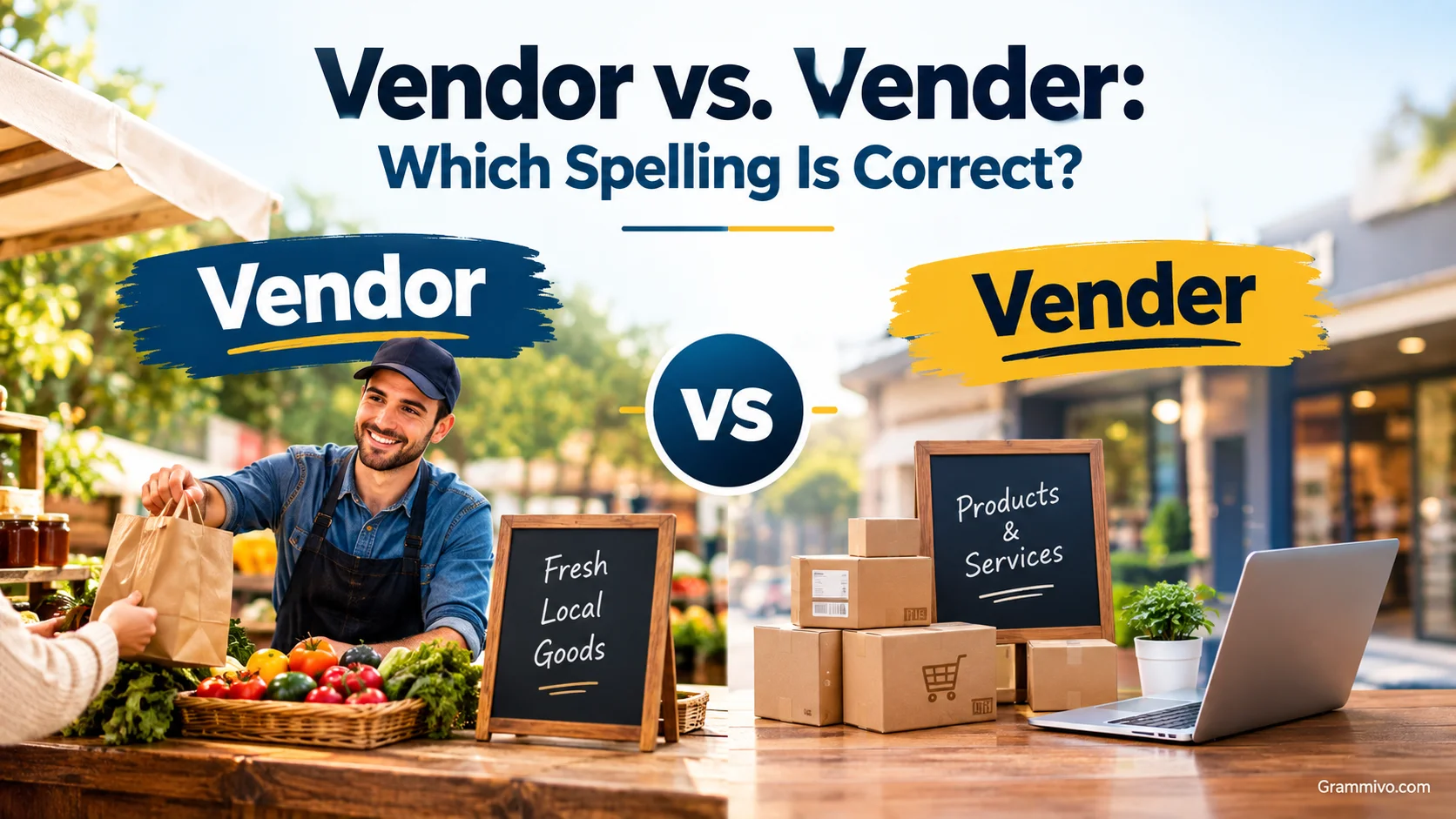
Vendor vs. Vender: Which Spelling Is Correct?

Vendor vs. Vender

Vendor vs. Vender explains the difference between the correct spelling and an older spelling used less often in modern English. Vendor is the standard and preferred spelling for a seller, supplier, person, company, or business that sells goods or provides services to customers and organizations.  Its common usage appears in retail, e-commerce, procurement, contracts, legal … Read more

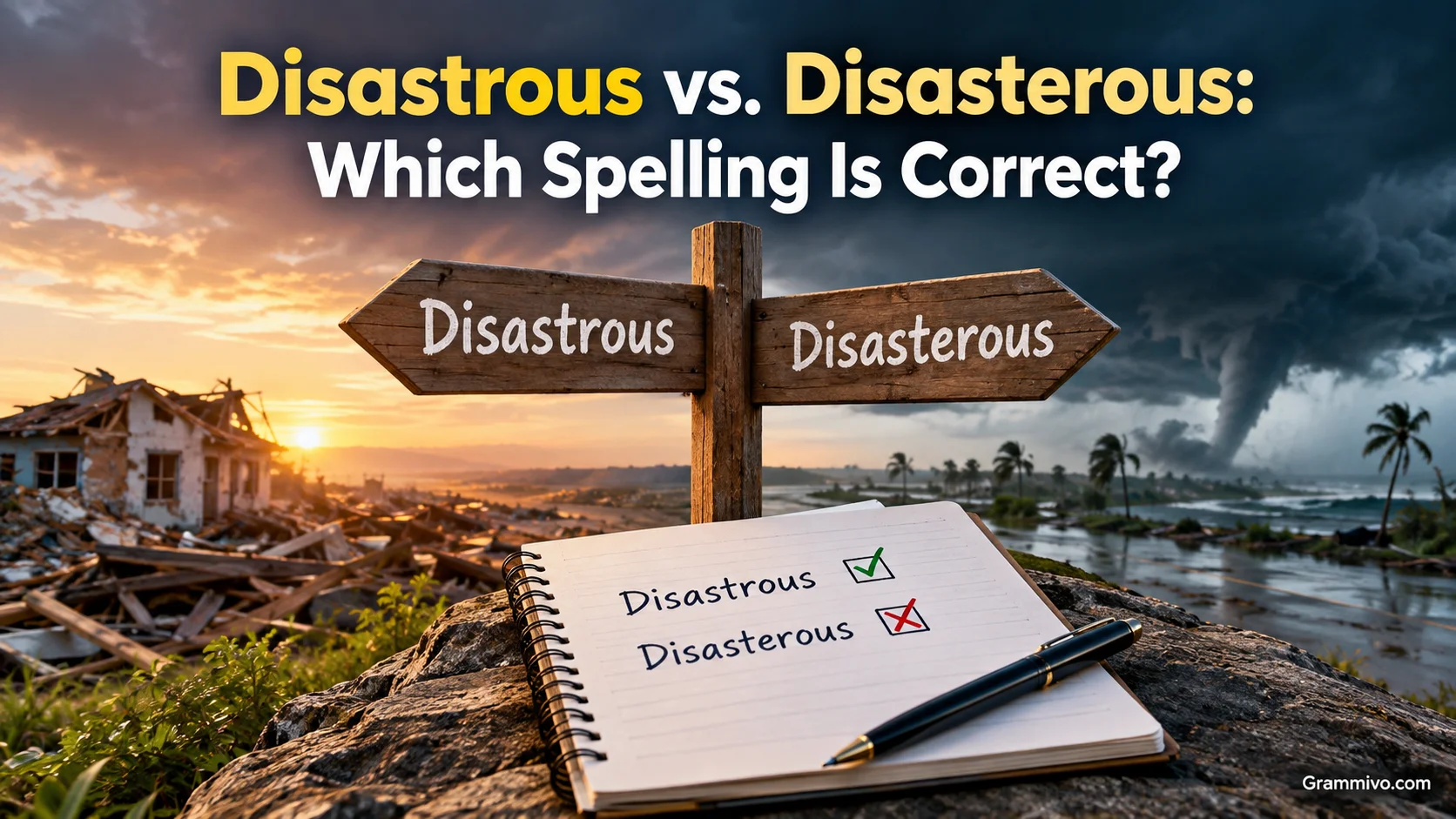
Disastrous vs. Disasterous: Which Spelling Is Correct?

Disastrous vs. Disasterous

Disastrous vs. Disasterous: the correct spelling is disastrous, while disasterous is a common misspelling caused by the noun disaster and its “-ter” ending. The adjective takes the adjective ending “-ous,” creating a small word change when the suffix is added.  English spelling doesn’t always let you mirror the original noun, so disastrous is the correct … Read more

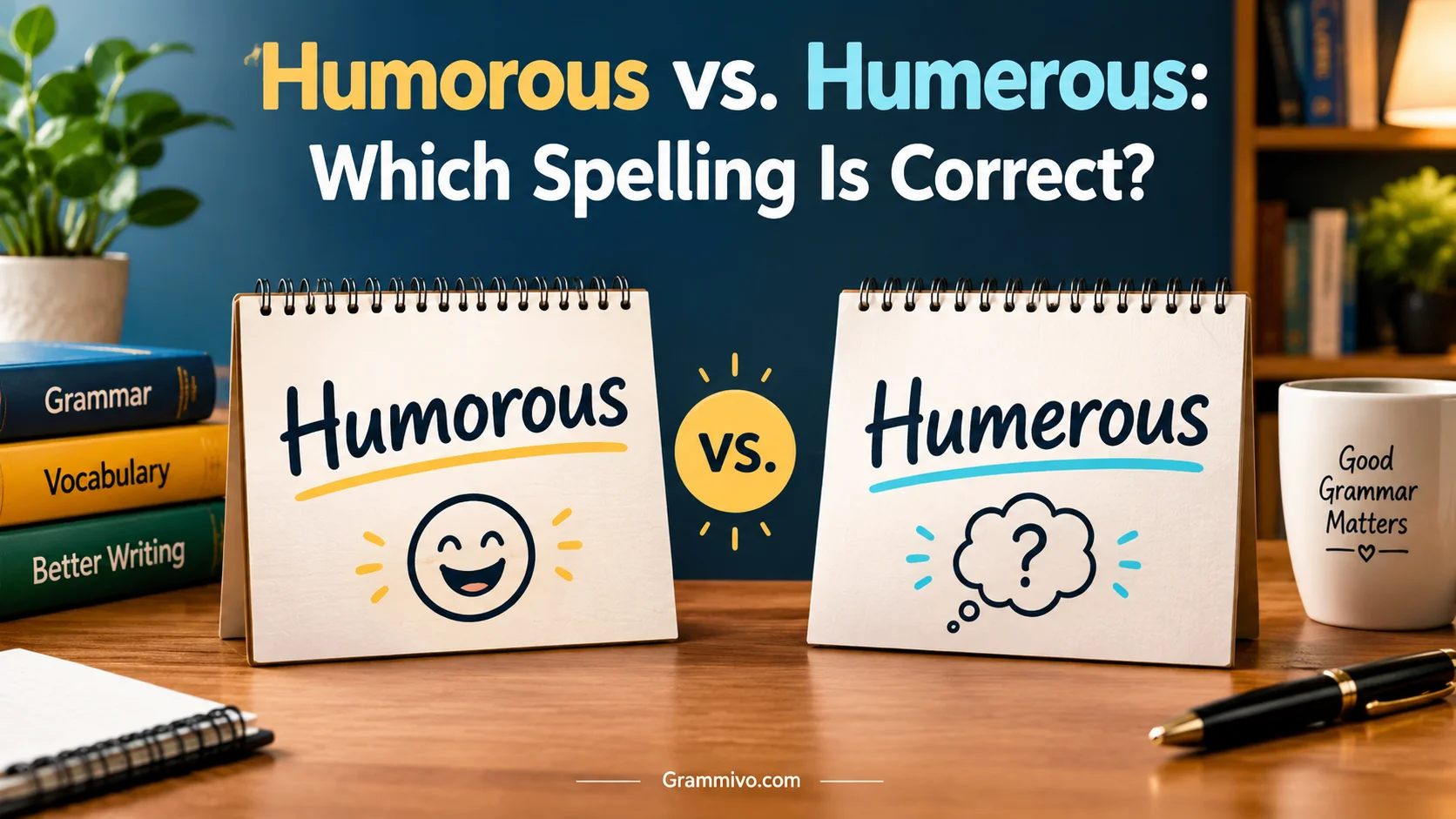
Humorous vs. Humerous: Which Spelling Is Correct?

Humorous vs. Humerous

If you’ve ever hesitated between humorous and humerous, you’re not alone. The two spellings look almost identical, and their pronunciation can make the difference even harder to notice. One small letter, however, separates the correct spelling from a common mistake. When you want to describe something funny, amusing, or likely to make people laugh, the … Read more