Who vs. Whom: Meaning, Differences, and Easy Ways to Choose
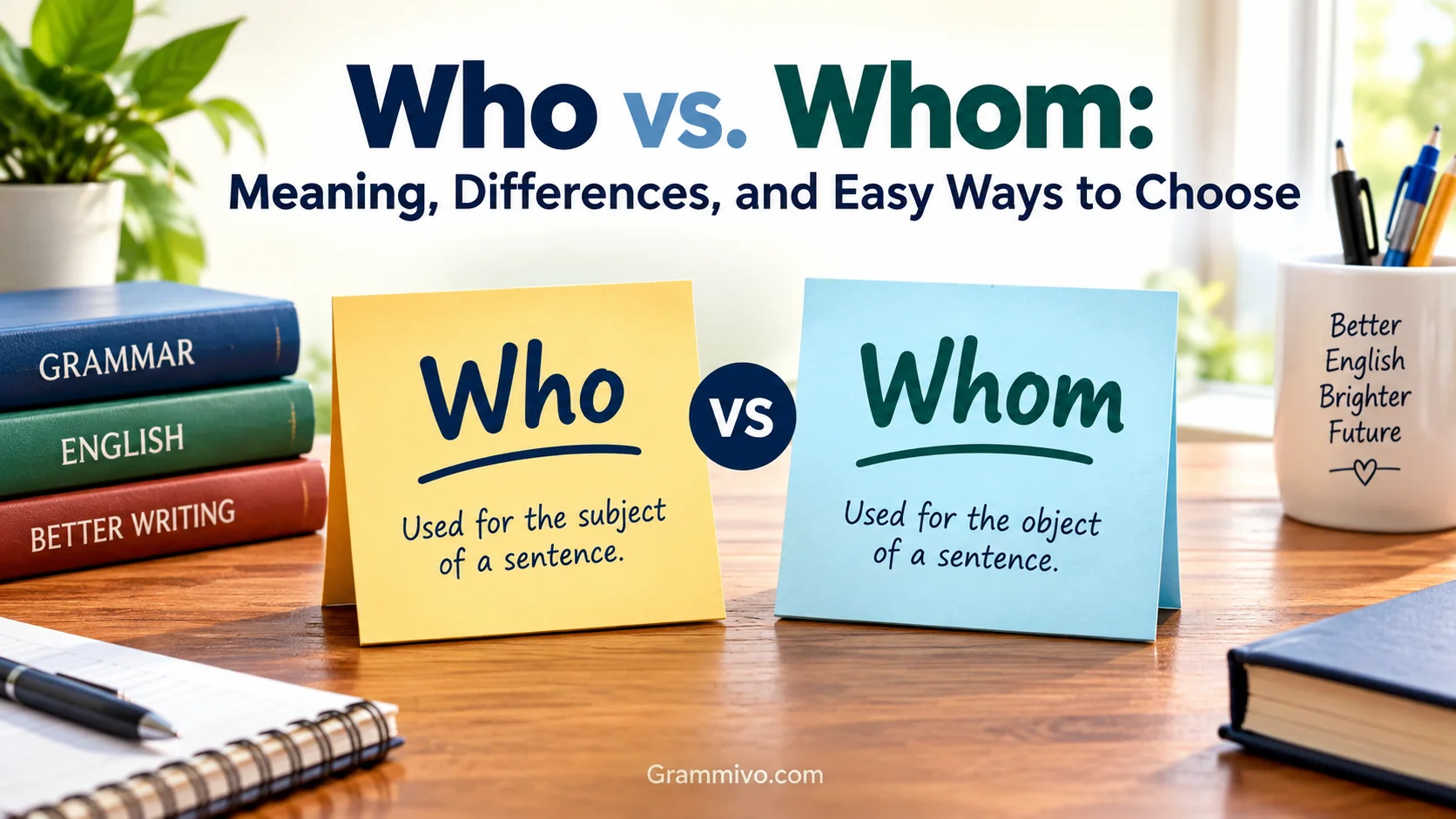
Who vs. Whom

The difference between who vs. whom can seem surprisingly tricky. Both words refer to people, and they often appear in similar sentences. The real difference comes down to grammar: who usually acts as the subject, while whom usually functions as an object. The confusion gets stronger because modern American English doesn’t always follow the traditional … Read more
Airplane vs. Aeroplane: Correct US and UK Spelling Guide

Airplane vs. Aeroplane

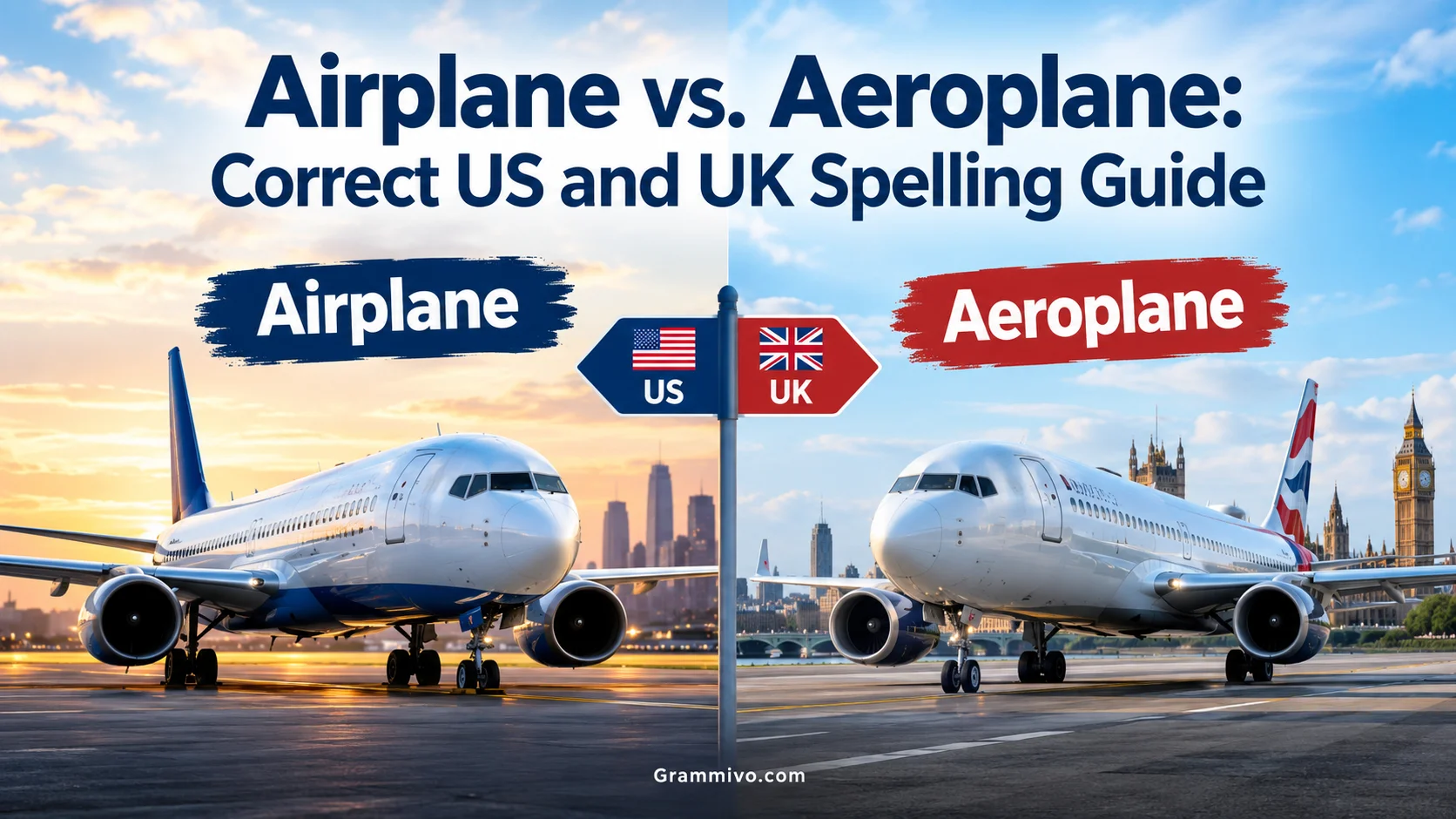
If you’ve ever wondered whether airplane or aeroplane is the correct spelling, you’re dealing with a difference between varieties of English rather than a simple spelling mistake. Both words describe the same kind of flying machine. The main difference comes down to where the English is used. In American English, airplane is the standard spelling. … Read more

Hierarchy vs. Heirarchy: Which Spelling Is Correct?

Hierarchy vs. Heirarchy

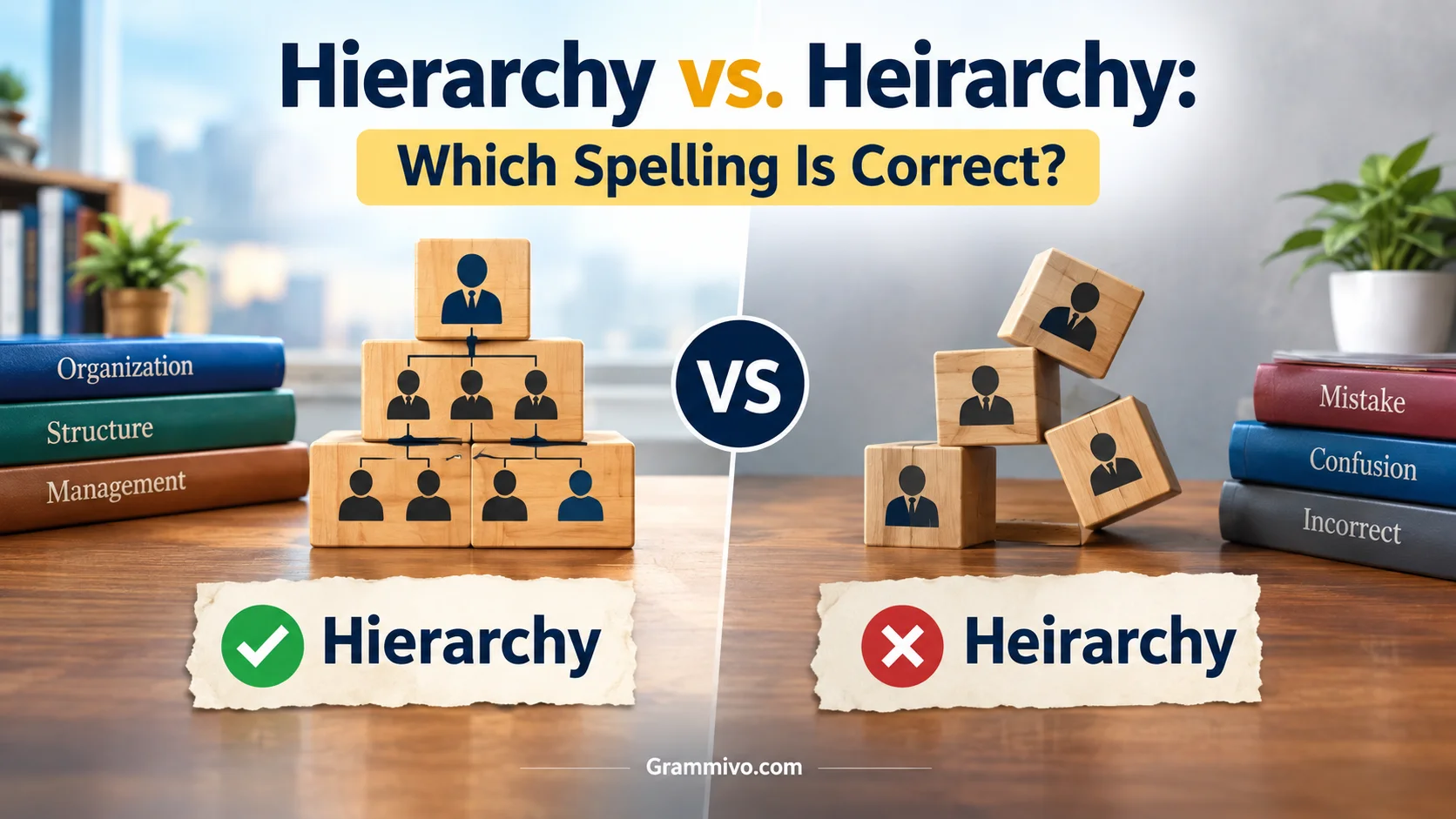
If you’ve ever hesitated between hierarchy and heirarchy, you’re not alone. The two spellings look remarkably similar, and the familiar word heir can make the incorrect version seem reasonable. However, only one spelling is standard English. The correct spelling is hierarchy. The spelling heirarchy is a common misspelling and shouldn’t be used in formal or … Read more

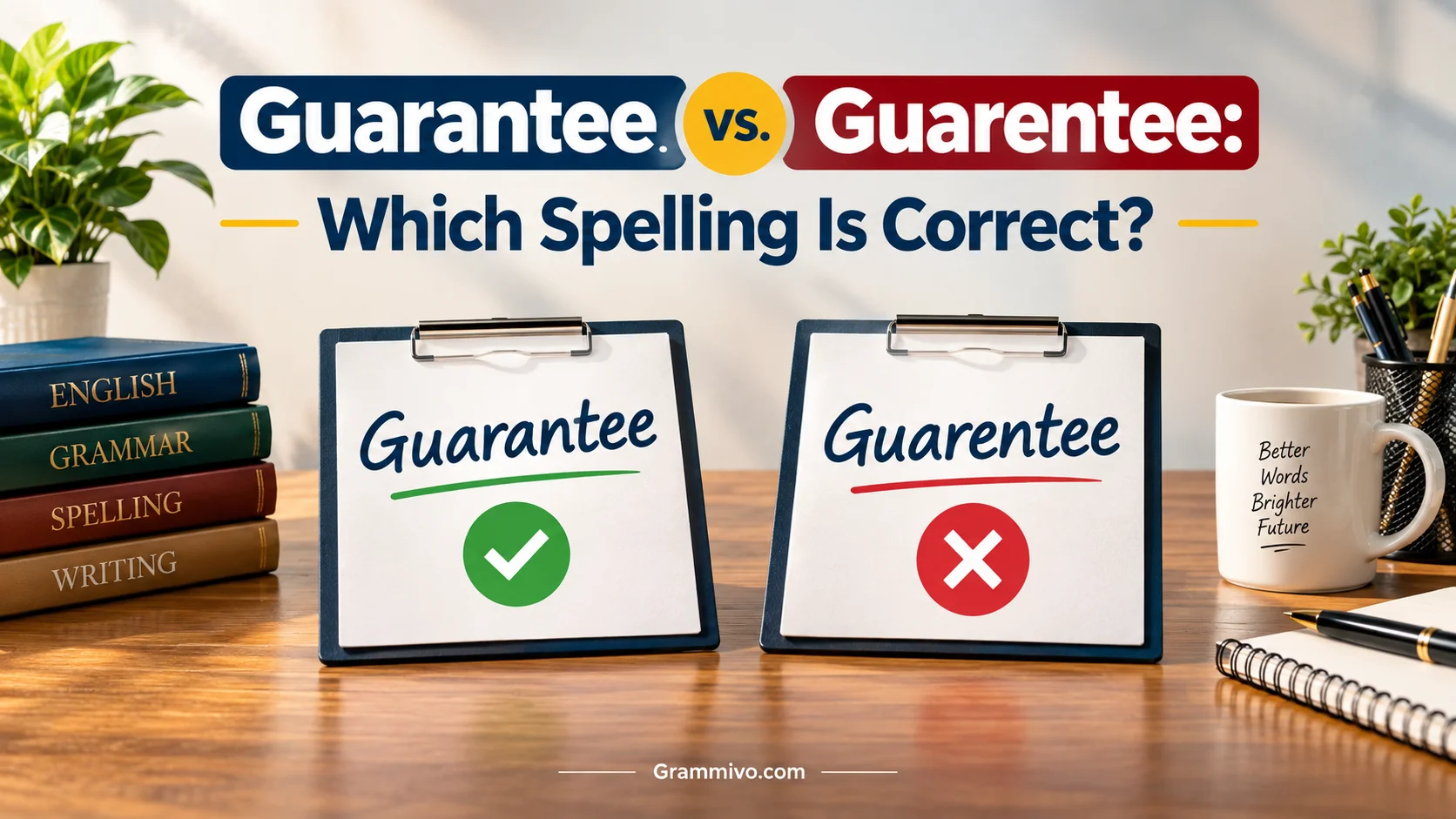
Guarantee vs. Guarentee: Which Spelling Is Correct?

Guarantee vs. Guarentee

If you’ve ever hesitated between guarantee vs. guarentee, you’re not alone. This word catches people off guard because its pronunciation doesn’t make the spelling especially obvious. You may know exactly what you want to say, yet your fingers still type guarentee instead of guarantee. Here’s the good news: there’s a clear answer. The word guarantee … Read more

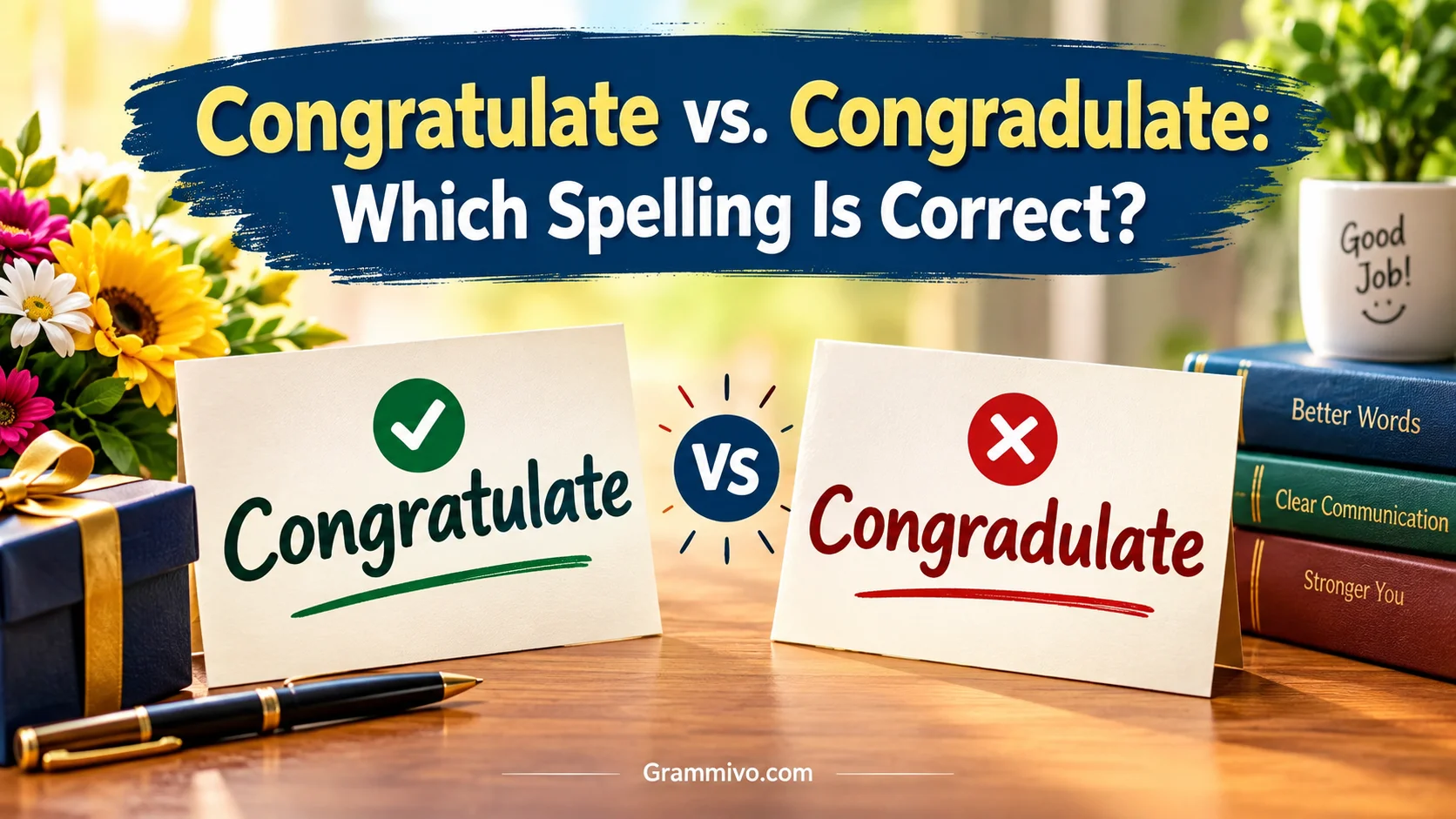
Congratulate vs. Congradulate: Which Spelling Is Correct?

Congratulate vs. Congradulate

Have you ever typed “congradulate” and wondered whether it was actually correct? You’re not alone. The two spellings look remarkably similar, and the mistake becomes especially easy to make when you’re thinking about graduation, where the words often appear in the same conversation. Here’s the important distinction: congratulate is the correct spelling. Congradulate is a … Read more

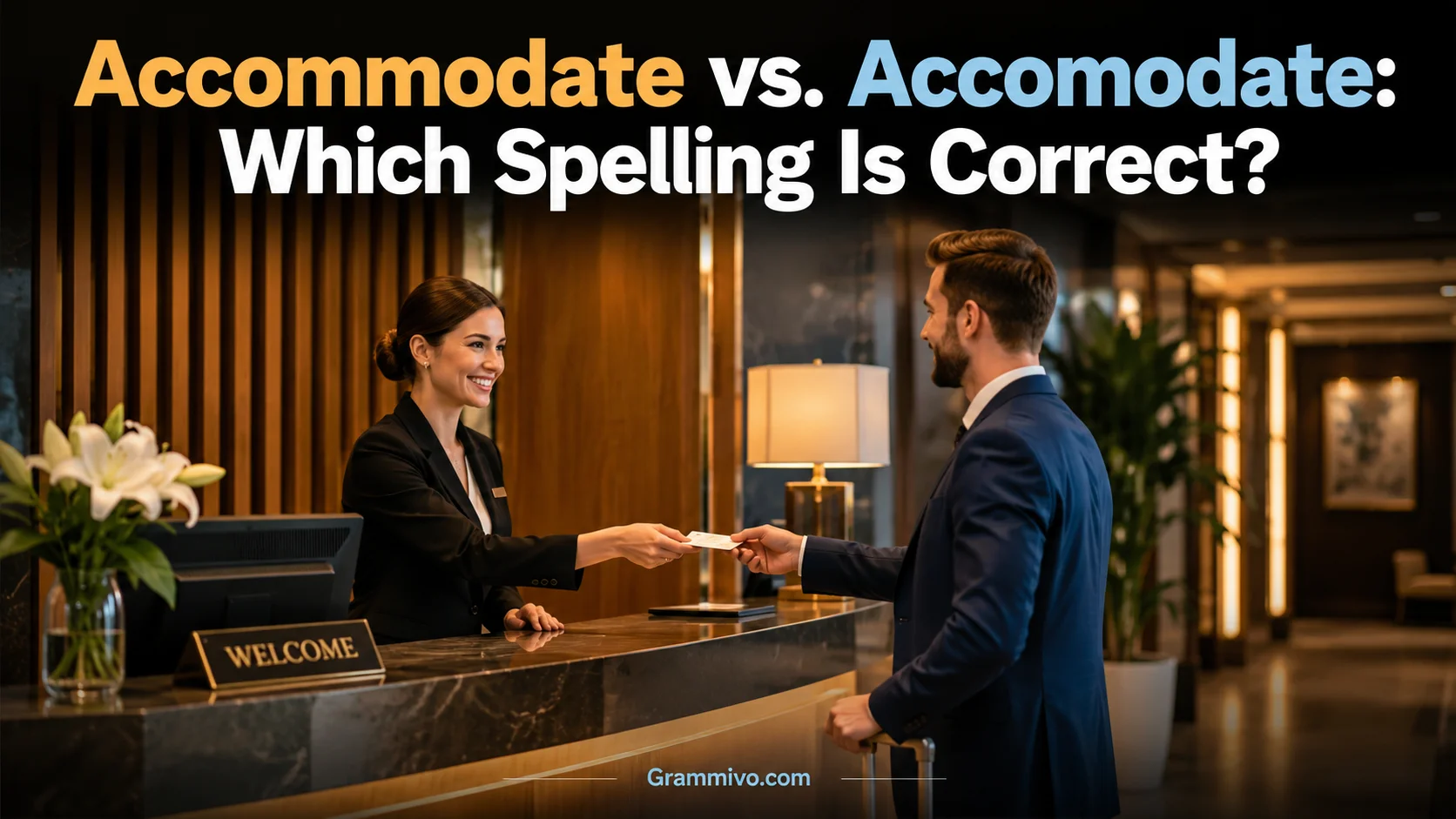
Accommodate vs. Accomodate: Which Spelling Is Correct?

Accommodate vs. Accomodate

If you’ve ever hesitated between accommodate vs. accomodate, you’re not alone. This word causes trouble because English doesn’t make its spelling easy to predict from pronunciation. The correct form contains two c’s and two m’s: accommodate. The spelling accomodate is incorrect. That small difference matters. You’ll see accommodate in emails, business documents, school assignments, hotel … Read more

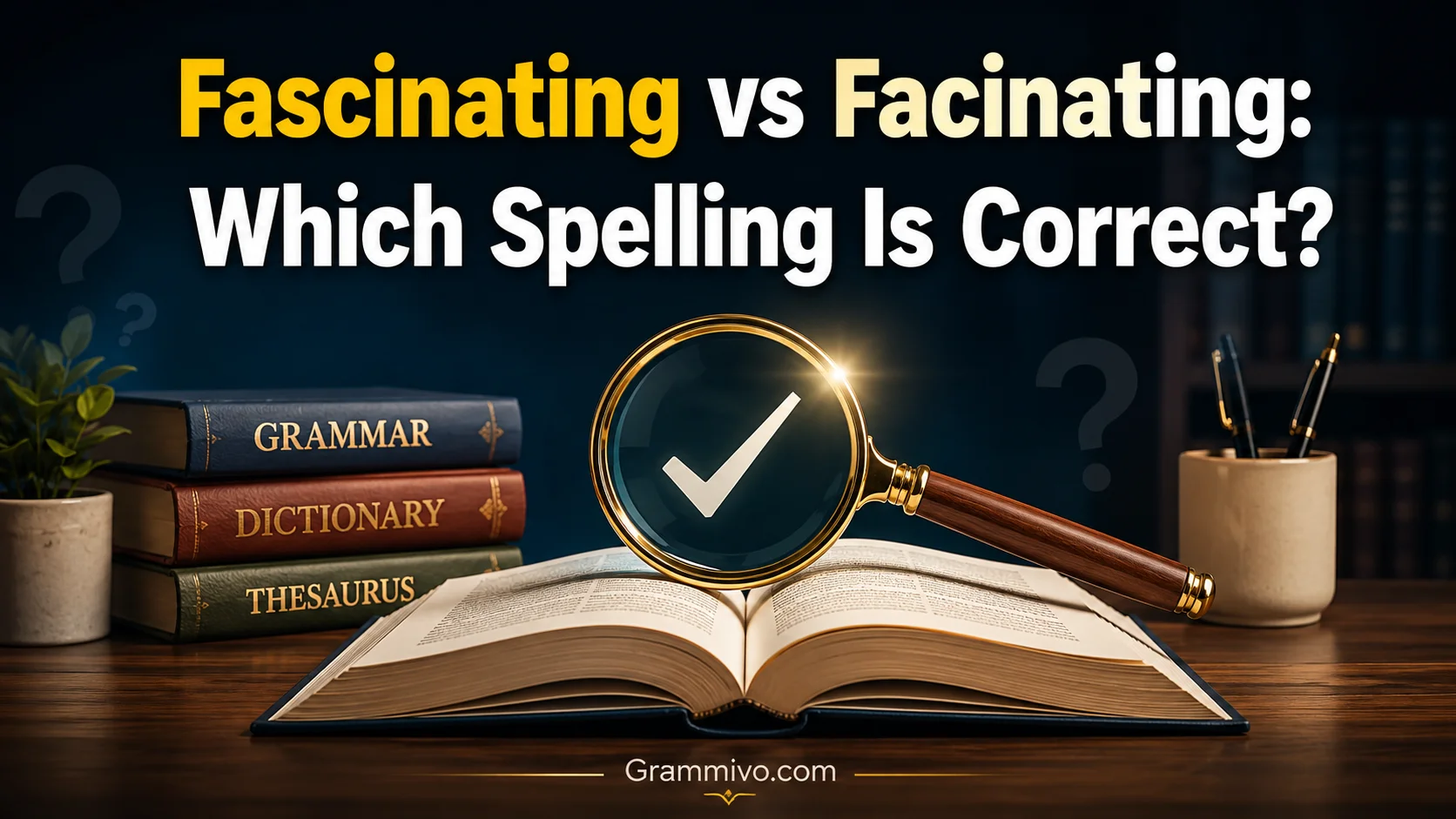
Fascinating vs Facinating: Which Spelling Is Correct?

Fascinating vs Facinating

If you’ve ever hesitated between fascinating and facinating, you’re not alone. The two spellings look remarkably similar, especially when you’re typing quickly. However, only one is the standard English spelling. The correct word is fascinating. The spelling facinating is incorrect. The difference comes down to one easily missed letter: s. Once you connect fascinating with … Read more

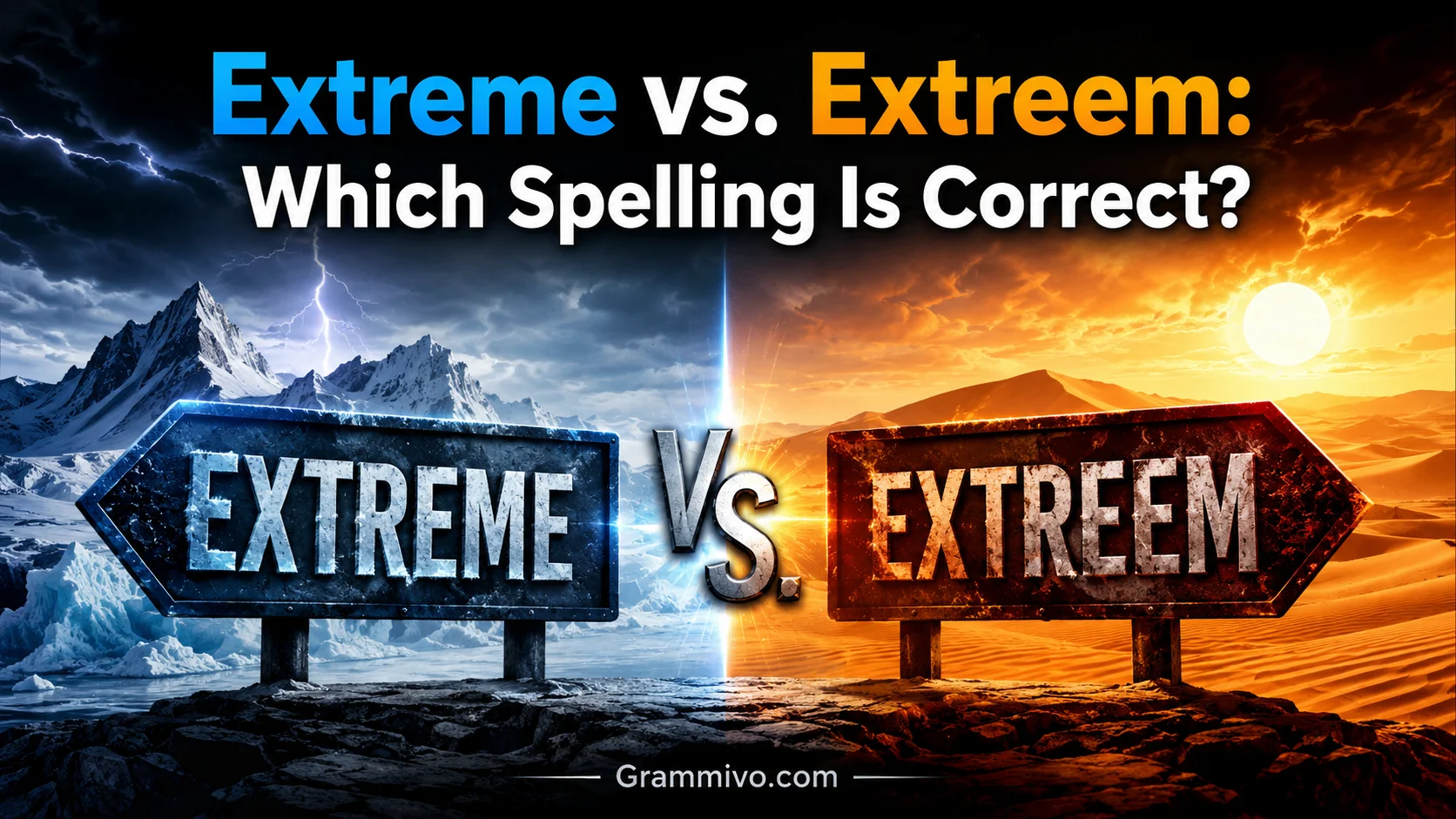
Extreme vs. Extreem: Which Spelling Is Correct?

Extreme vs. Extreem

If you’ve ever wondered whether “extreme” or “extreem” is the correct spelling, you’re not alone. The confusion makes sense because extreme ends with a sound that resembles “treem.” When you hear the word spoken aloud, writing extreem can feel perfectly logical. However, English spelling doesn’t always follow pronunciation neatly. In this case, there’s a clear … Read more

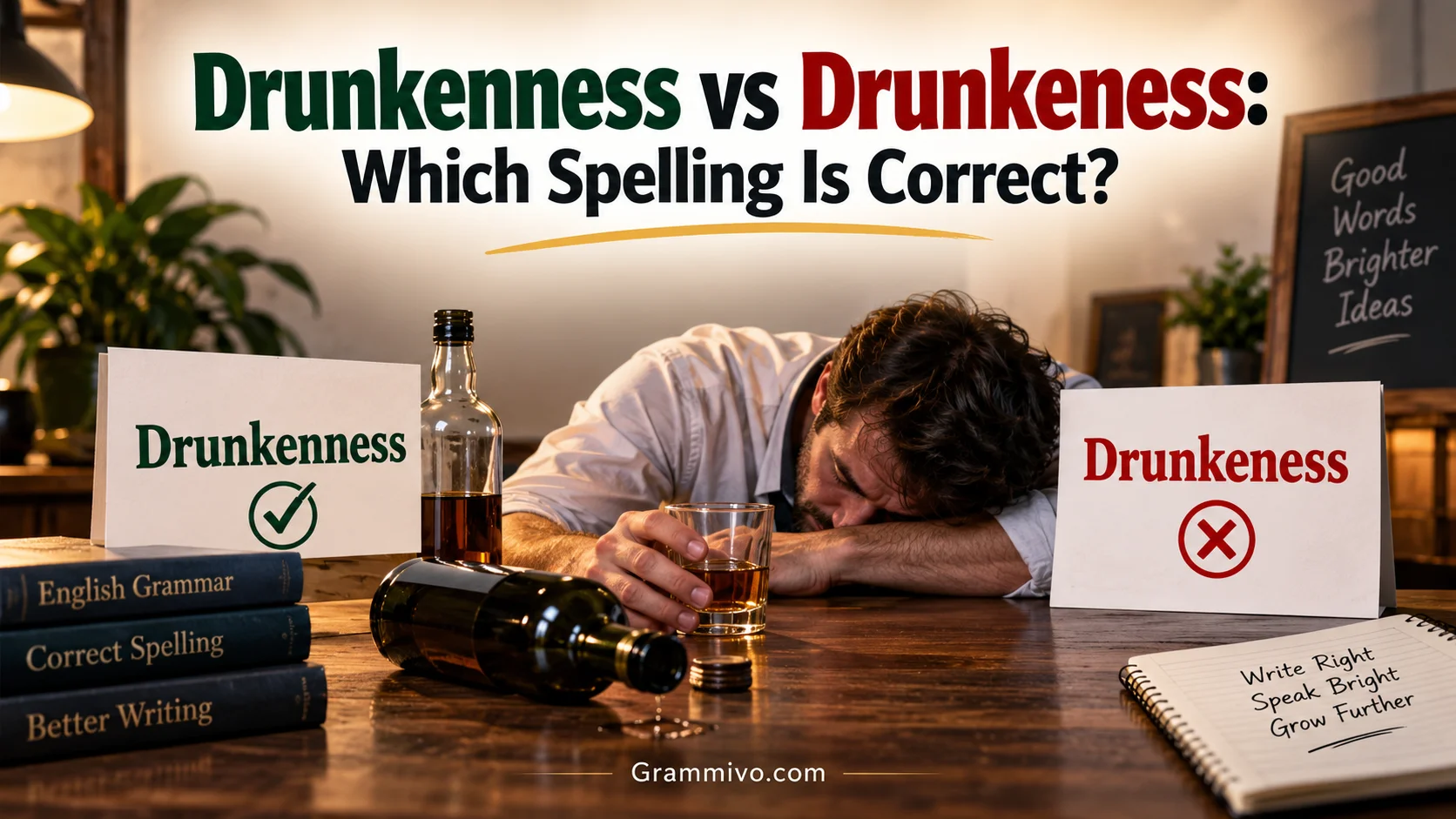
Drunkenness vs Drunkeness: Which Spelling Is Correct?

Drunkenness vs Drunkeness

If you’ve ever paused while typing drunkenness, you may have wondered whether the word should contain one n or two. The confusion is understandable because drunkenness has an unusual-looking cluster of letters in the middle. That makes drunkenness vs drunkeness a common spelling question. The correct spelling is drunkenness. The spelling drunkeness is incorrect in … Read more